
Benefits of Centralized Vacuum Systems in Residential Places
A centralized vacuum system, also known as a whole-house vacuum system, offers numerous benefits for residential places. Here are ten advantages of installing such a system:
1. Improved Indoor Air Quality
Centralized vacuum systems remove dust, allergens, and pollutants from the home, improving indoor air quality and reducing respiratory issues. Centralized vacuum systems are designed to last longer than traditional vacuum cleaners, with some units lasting up to 20-30 years.
2. Reduced Noise Pollution
Unlike traditional vacuum cleaners, centralized systems are typically quieter and less disruptive, creating a more peaceful living environment.
3. Increased Convenience
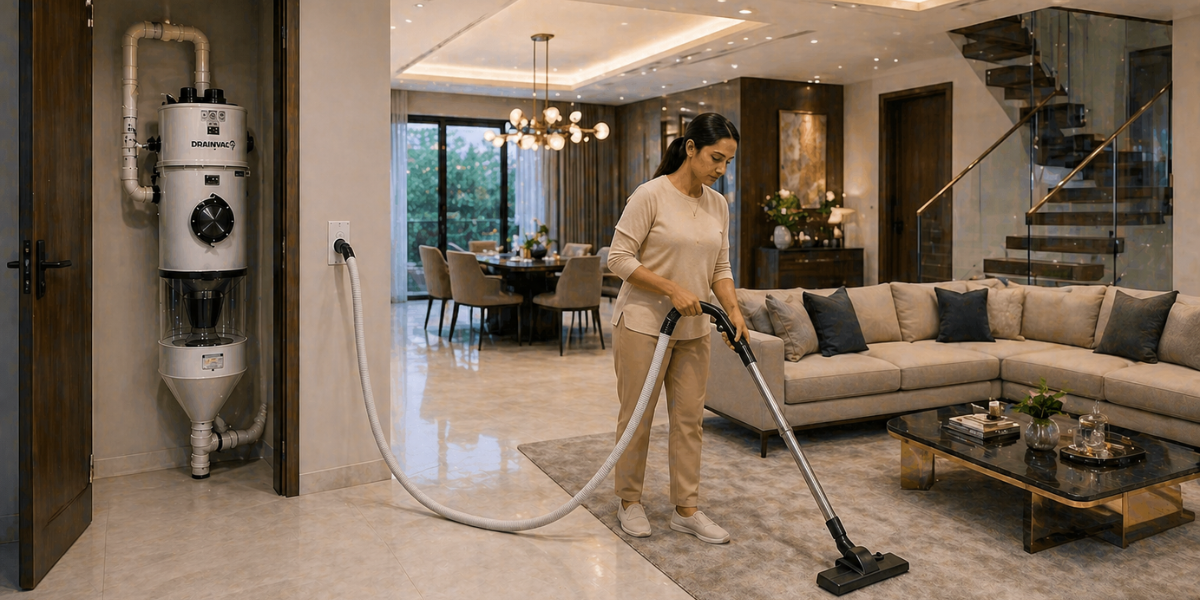
With outlets in various rooms, centralized vacuum systems eliminate the need to carry heavy vacuum cleaners, making cleaning easier and more efficient.
4. Enhanced Cleaning Efficiency
Centralized systems provide consistent suction power, ensuring a more thorough cleaning experience and reducing cleaning time.
5. Durability
Centralized vacuum systems are designed to last longer than traditional vacuum cleaners, with some units lasting up to 20-30 years.
6. Improved Home Value
Installing a centralized vacuum system can increase a home’s value, making it more attractive to potential buyers.
7. Reduced Cleaning Time
With a centralized system, cleaning becomes more efficient, allowing homeowners to spend less time on household chores.
8. Flexibility and Customization
Centralized vacuum systems can be customized to fit specific home layouts and needs, providing flexibility and convenience.
9. Health Benefits
By reducing exposure to dust, allergens, and pollutants, centralized vacuum systems can help alleviate respiratory issues, such as asthma, and promote overall health and well-being.
Overall, centralized vacuum systems offer a convenient, efficient, and healthy cleaning solution for residential places, making them an attractive option for homeowners seeking to improve their living environment.