
Central Vacuum System in India: Cost, Benefits & Why Luxury Homes Are Switching
Walk into a truly well-designed home today, and you’ll notice something interesting — you won’t see a vacuum cleaner anywhere.
No bulky machine in the corner. No wires. No noise.
That’s because modern homes are quietly moving toward something far more efficient: central vacuum systems. And in India, this shift is no longer limited to ultra-luxury villas — it’s steadily becoming a smart upgrade for anyone building or renovating a premium home.
Let’s break down what this system really is, what it costs, and whether it actually lives up to the hype.
What Is a Central Vacuum System?
A central vacuum system is a built-in cleaning solution installed inside your home’s structure.
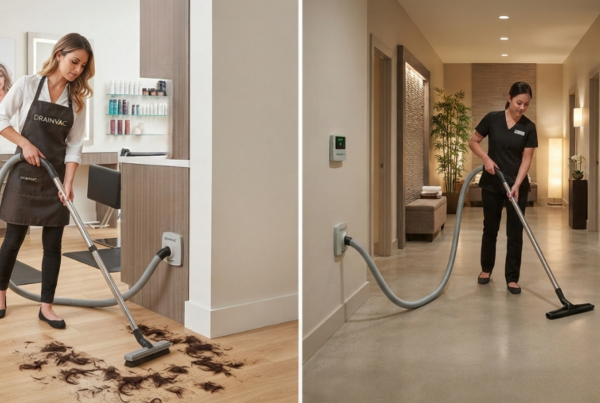
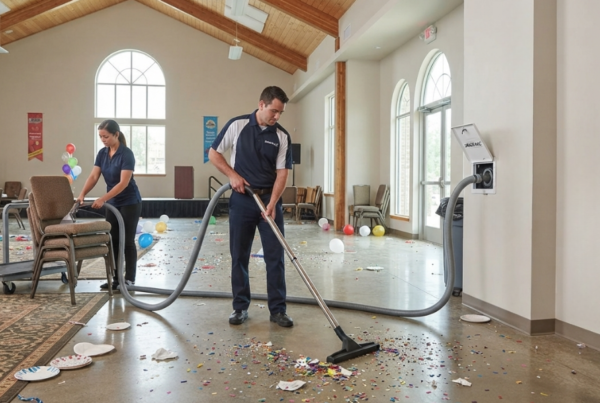
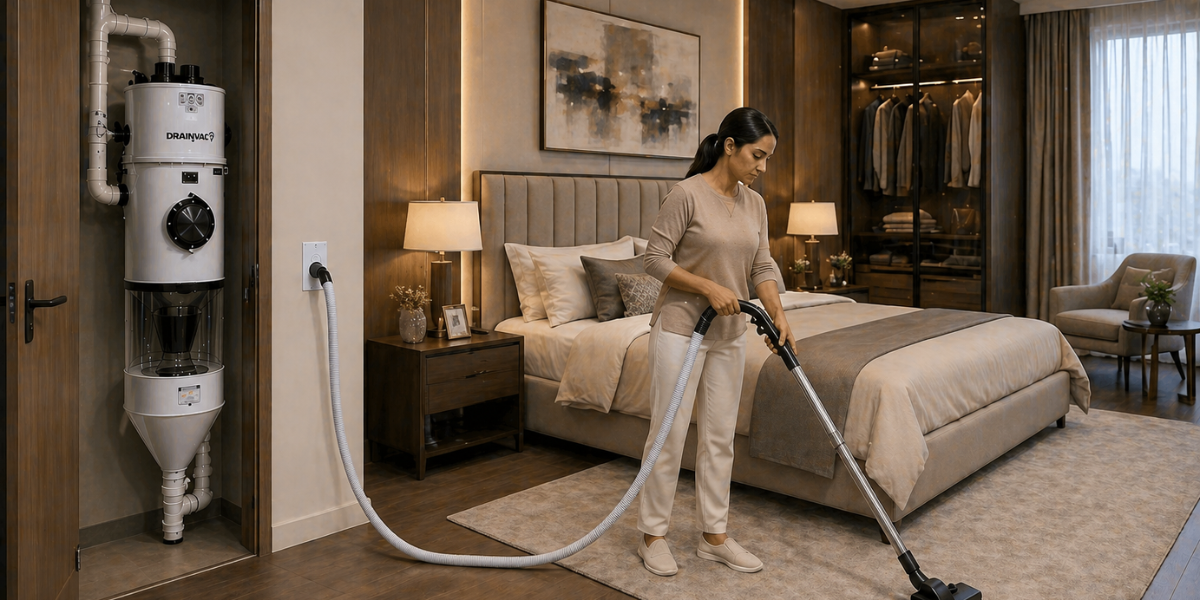
Instead of carrying a portable vacuum cleaner, you simply plug a lightweight hose into wall inlets placed across rooms. Dust and debris are then sucked through concealed pipes into a central collection unit (usually installed in a utility area).
No dragging. No noise in your living space. No dust blowing back.
It’s cleaning — but designed into your home.
Why Indian Homes Are Rapidly Adopting It
1. Dust Is a Real Problem in India
Let’s be honest — even after daily cleaning, dust returns within hours.
Traditional vacuum cleaners often recirculate fine particles back into the air, especially in closed AC environments. A central vacuum system, on the other hand, removes dust completely out of the living space.
The result? Noticeably cleaner air.
2. Silent Cleaning Experience
In a typical setup, the main motor is installed away from living areas.
So while you’re cleaning your bedroom or living room, the noise is almost negligible. This makes a big difference in homes with kids, elderly family members, or work-from-home setups.
3. No Clutter, No Storage Hassle
No machine. No wires. No dedicated storage space.
Just a sleek inlet on the wall — that’s all you see.
For architects and interior designers, this is a big win. The system blends into the design instead of disrupting it.
4. Long-Term Convenience
Once installed, these systems are extremely durable.
There’s minimal maintenance, no frequent filter replacements like portable vacuums, and the performance stays consistent over time.
It’s one of those upgrades that feels expensive once — but saves effort every single day.
Built-In Vacuum vs Traditional Vacuum Cleaner
| Feature | Traditional Vacuum | Central Vacuum System |
|---|---|---|
| Noise | Loud | Almost silent |
| Dust Recirculation | Possible | Eliminated |
| Portability | Bulky | Lightweight hose |
| Aesthetic Impact | Visible clutter | Invisible system |
| Longevity | Moderate | Long-term |
If you’re designing a modern home, the difference isn’t just functional — it’s experiential.
Is It Worth It for Your Home?
A central vacuum system makes the most sense if:
- You’re building a new home
- You’re doing a major renovation
- You care about clean air + low maintenance living
- You want a future-ready, premium home setup
If you’re living in a rental or short-term setup, a traditional vacuum might still be practical.
But for owned homes — especially in urban India — this is quickly becoming a category-defining upgrade.
The Bigger Shift: Cleaning as Infrastructure
What’s really changing isn’t just the product — it’s the mindset.
Cleaning is no longer an afterthought. It’s being designed into the home itself.
Just like lighting, air conditioning, and automation — cleaning systems are becoming part of the blueprint.
And once you experience it, going back feels… outdated.
FAQs
1. What is the lifespan of a central vacuum system?
Most systems last 15–20 years or more, making them a long-term investment.
2. Can it be installed in existing homes?
Yes, but it’s easier and more cost-effective during construction or renovation.
3. Does it consume more electricity than regular vacuums?
Not necessarily. Since cleaning is faster and more efficient, overall usage is often comparable.
4. Is it suitable for apartments?
Yes — especially in premium apartments or builder floors where planning can be done in advance.
5. Does it help with allergies?
Absolutely. By removing dust completely from living spaces, it significantly improves indoor air quality.