

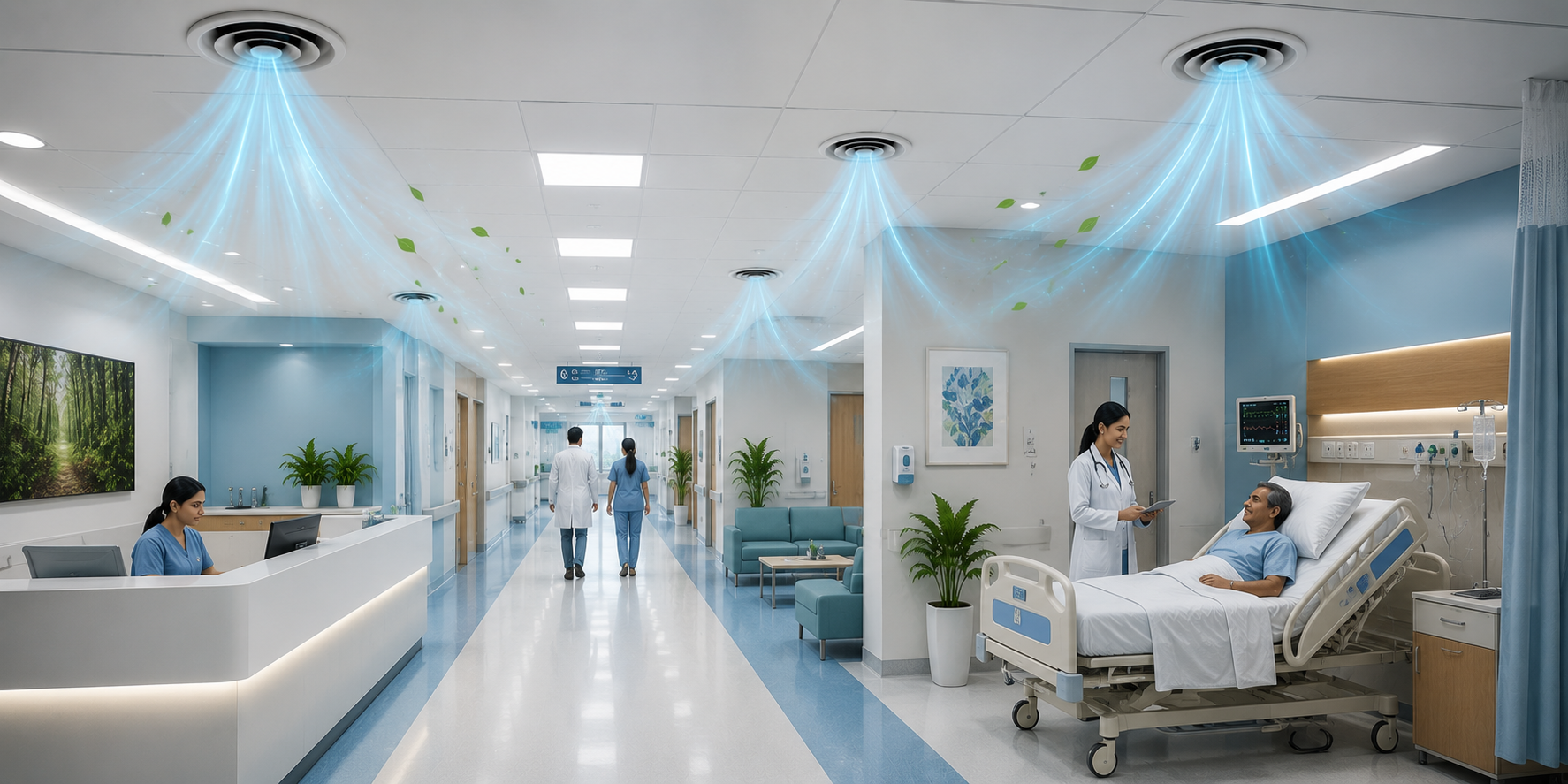
The Crucial Role of Fresh Air and Ventilation Systems in Hospitals
Hospitals are institutions where patients, visitors, and healthcare workers converge, creating a unique environment that requires careful consideration of Indoor Air Quality (IAQ). Fresh air and ventilation systems play a vital role in maintaining a healthy and safe environment within hospitals. In this article, we will explore the importance of fresh air and ventilation systems in hospitals, highlighting their benefits.
15 Benefits of Installing Fresh Air and Ventilation Systems in Hospitals
1. Improved Indoor Air Quality
- Removes airborne pollutants: Fresh air and ventilation systems remove airborne pollutants, allergens, and volatile organic compounds (VOCs), creating a healthier environment.
- Reduces risk of infections: By removing airborne pathogens, ventilation systems reduce the risk of hospital-acquired infections (HAIs).
2. Enhanced Patient Care
- Faster recovery: Access to fresh air and natural light has been shown to improve patient outcomes, reduce stress, and promote faster recovery.
- Improved patient comfort: A well-ventilated environment can improve patient comfort, reducing the need for pain medication and promoting a sense of well-being.
3. Increased Staff Productivity
- Boosts staff morale: A healthy and comfortable work environment can boost staff morale, reducing absenteeism and turnover rates.
- Improves cognitive function: Fresh air and ventilation systems can improve cognitive function, reducing fatigue and increasing productivity among healthcare workers.
4. Energy Efficiency and Cost Savings
- Reduces energy consumption: Energy-efficient ventilation systems can help reduce energy consumption, lowering hospital operating costs.
- Extends equipment lifespan: Proper ventilation can extend the lifespan of medical equipment, reducing maintenance and replacement costs.
5. Compliance and Accreditation
- Meets regulatory requirements: Installing a fresh air and ventilation system can help hospitals meet regulatory requirements and accreditation standards.
- Enhances hospital reputation: A well-maintained ventilation system can enhance a hospital’s reputation, demonstrating a commitment to patient care and safety.
6. Reduced Risk of Hazards
- Reduces risk of fires: Proper ventilation can reduce the risk of fires, explosions, and other hazards associated with medical equipment and chemicals.
- Minimizes exposure to chemicals: Fresh air and ventilation systems can minimize exposure to chemicals, anesthetics, and other hazardous substances.
7. Improved Maintenance and Operations
- Simplifies maintenance: A well-designed ventilation system can simplify maintenance, reducing downtime and minimizing disruptions to patient care.
- Enhances flexibility: A flexible ventilation system can adapt to changing hospital needs, such as increased occupancy rates or new medical equipment.
8. Environmental Benefits
- Reduces environmental impact: Energy-efficient ventilation systems can reduce a hospital’s environmental impact, minimizing greenhouse gas emissions and promoting sustainabili
Conclusion-
Fresh air and ventilation systems play a critical role in maintaining a healthy and safe environment within hospitals. By understanding the benefits and challenges of ventilation systems in hospitals, healthcare administrators and facility managers can implement best practices to ensure optimal indoor air quality. By prioritizing fresh air and ventilation systems, hospitals can reduce the risk of infections, improve patient outcomes, and create a healthier environment for patients, visitors, and staff.