
Top 10 Benefits of Drainvac Centralised Vacuum Systems for Religious & Community Halls
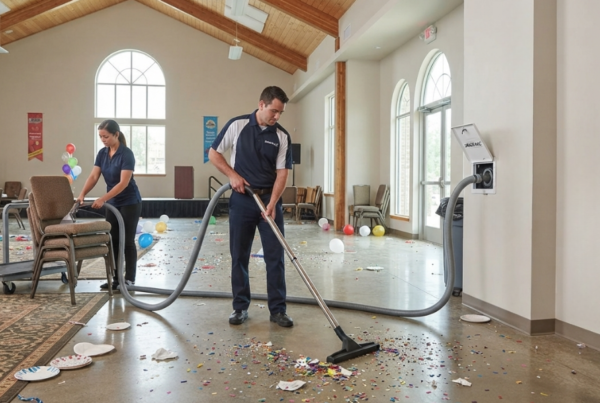
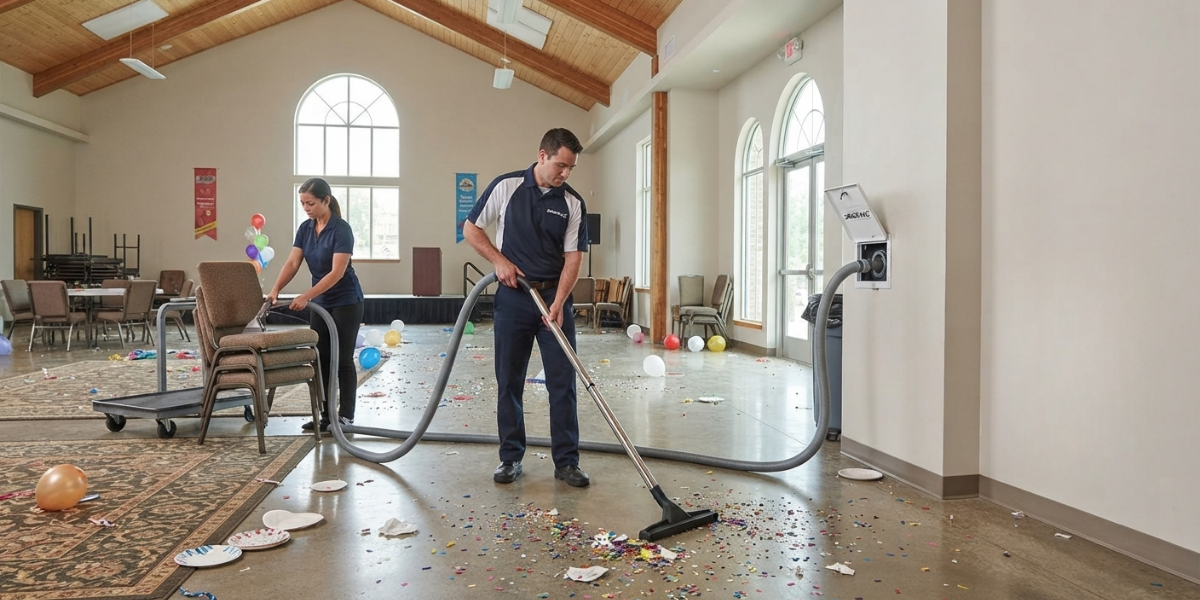
Religious and community halls see large, irregular crowds — festivals, weekly gatherings, weddings, langars, and events that leave behind everything from flower petals to food debris. A Drainvac Centralised Vacuum System is built to handle this kind of high-volume, high-variability cleaning load.
1. Rapid Turnaround After Large Gatherings –
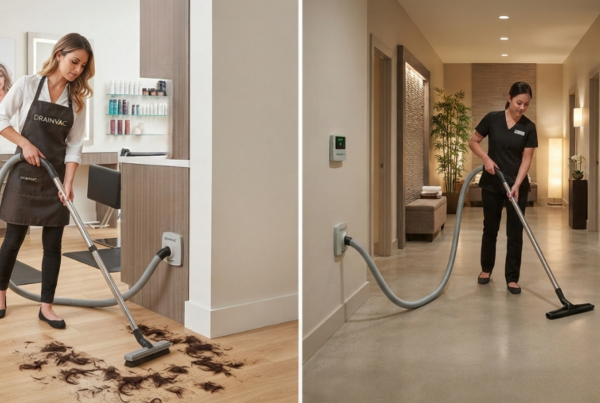
With inlet points placed across the main hall, prayer areas, and dining spaces, cleaning crews can clear large volumes of debris quickly using a lightweight hose — critical when a hall needs to be ready for the next event within hours.
2. Respectful, Silent Operation in Sacred Spaces –
The power unit runs from a remote utility area, so cleaning can happen quietly without the disruptive motor noise of portable vacuums — important in spaces where silence and reverence matter, even between services.
3. Better Air Quality for Large, Enclosed Congregations –
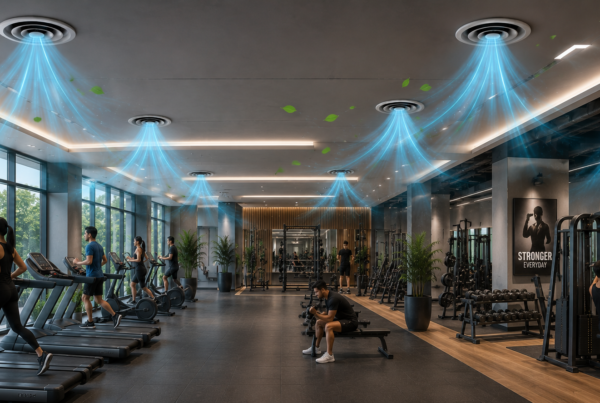
Halls with high footfall and prolonged indoor gatherings accumulate dust, incense residue, and allergens quickly. Drainvac exhausts debris outside the building rather than recirculating it, keeping the air noticeably cleaner for congregants seated for extended periods.
4. Handles Mixed, Heavy Debris with Ease –
Flower petals, rice, food residue from community meals (langar/prasad), and foot-tracked dirt all need to be cleared fast. Drainvac’s high-suction power and wide-diameter piping manage this variety without clogging like standard vacuums.
5. Supports Hygiene for Community Kitchens & Dining Halls –
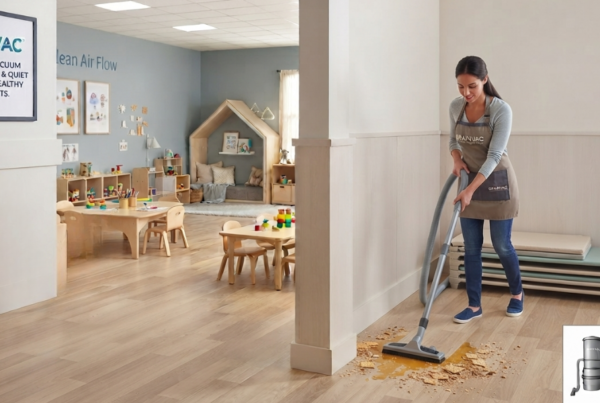
Many religious complexes run attached community kitchens or dining areas serving large numbers of people daily. Centralised systems with filtered exhaust support a stricter hygiene standard appropriate for food-service-adjacent spaces.
6. Lower Maintenance Across a Large Property –
A single power unit can serve the main hall, courtyards, dining areas, and corridors — instead of running and repairing multiple portable units across a sprawling complex. Fewer machines in circulation means fewer breakdowns and lower upkeep costs.
7. Reduced Staffing & Volunteer Effort –
Most religious and community halls rely on a mix of staff and volunteers for upkeep. A lightweight hose system means cleaning takes far less physical effort than dragging heavy machines across large hall floors — important when your workforce isn’t always trained or full-time.
8. Protects Carpets, Mats & Flooring Investments –
Large hall carpets and prayer mats see heavy daily footfall. Deep, consistent suction lifts embedded dirt that ordinary vacuums leave behind, extending the life of flooring investments that are costly to replace at this scale.
9. Built for High-Frequency, Festival-Season Use –
Footfall spikes dramatically during festivals and special occasions, sometimes for days at a stretch. Drainvac is engineered for sustained commercial duty cycles, unlike domestic-grade vacuums that wear out under this kind of demand.
10. Reinforces a Clean, Well-Maintained Community Image –
For trusts, committees, and management bodies, a consistently clean and dust-free hall reflects directly on how the institution is perceived by its community and visitors — it’s a quiet but visible mark of good governance.
Bottom line: For religious trusts and community hall management, a centralised vacuum system isn’t just about cleaning efficiency — it supports hygiene, respect for the space, and the image of an institution that’s well cared for.